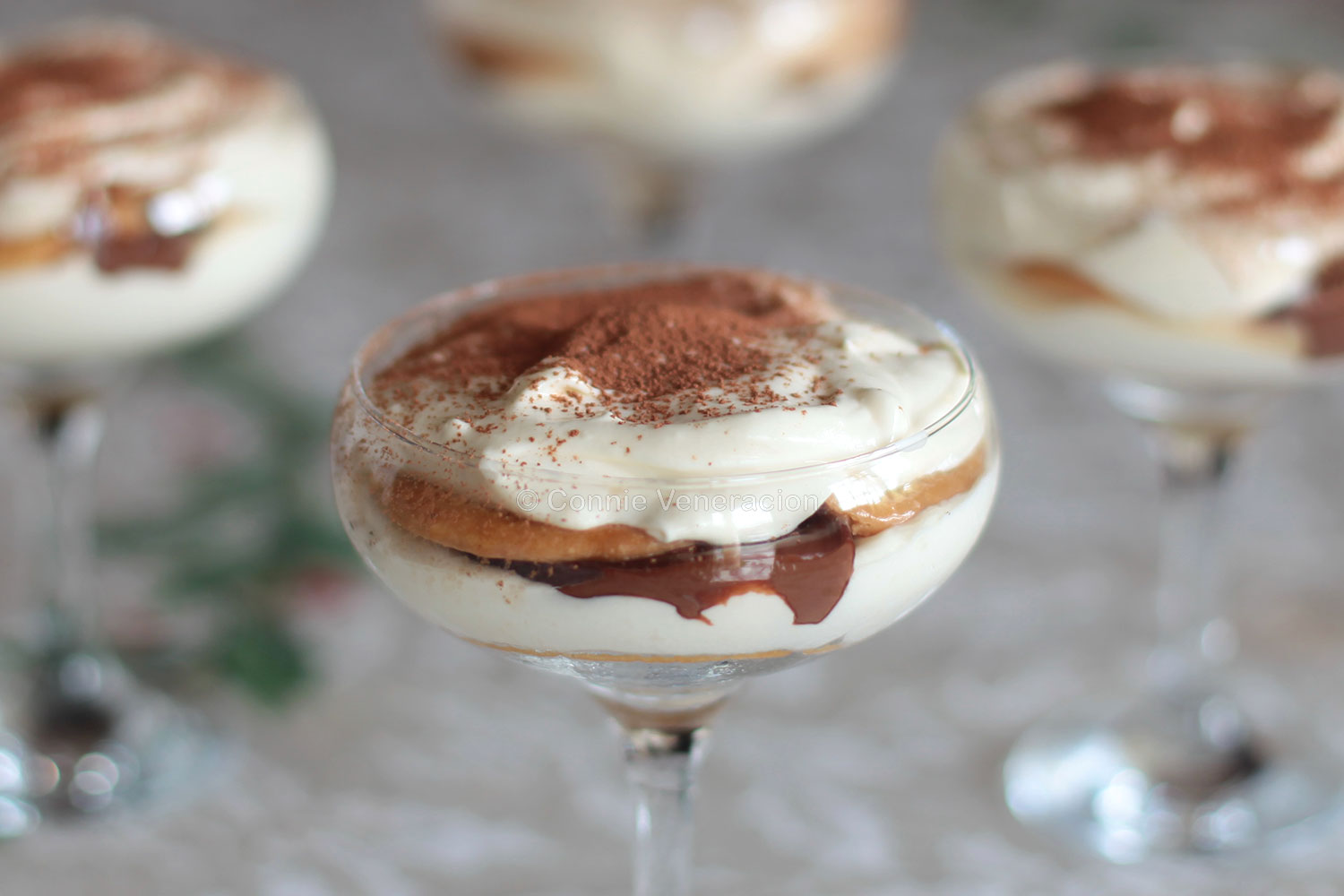
I’m talking about the biscuit, of course. I was editing a tiramisu-inspired recipe where the lady fingers were replaced by Marie biscuits when I felt an urge to dedicate a sentence or two about the origin of Marie. I always thought it was born in Spain and brought to the Philippines by Spain, and I wanted to cite a source.
It turns out that Marie was born in England, and the biscuit’s name wasn’t some random choice. Peek Freans, a bakery in London, created it in 1874 to commemorate the marriage of the Grand Duchess Maria Alexandrovna of Russia to the Duke of Edinburgh, second son of Queen Victoria.
England never colonized the Philippines. But since Marie’s popularity spread in Europe, did the biscuit reach the Philippines via Spain? Unlikely. When Marie was first mass produced in Spain, the Philippines was already an American colony. It’s more likely that the United States brought Marie to our shores.
Yes, the love for Marie reached the Americas. And the rest of Europe. And Africa and Asia. And it’s always called Marie (or Maria or Marietta). It’s curious that something so plain can be so popular. Some say it is the plainness that makes it desirable as it is the perfect foil for tea. Others, like me, take advantage of that plainness to use it as a component for desserts without worrying that it will upstage the star ingredients.